
Introduction
What the data reveals for long-term collectors becomes clearer when precious metals are viewed through history, supply, and real-world use rather than short-term pricing. The 2025 precious metals landscape reinforced why physical ownership continues to matter for serious collectors who value permanence and clarity.
As outlined in the 2025 Precious Metals Year in Review, gold, silver, platinum, and palladium each behaved differently during a year shaped by inflation pressure, industrial demand, and global uncertainty. This companion article expands on that data by translating numbers into collector context.
Rather than focusing on speculation or forecasts, the purpose here is understanding why tangible metals behaved the way they did and how collectors can interpret those patterns responsibly. When history, supply, and real-world use align, the insights remain relevant far beyond a single calendar year.
Silver in 2025
Industrial Demand Meets Physical Scarcity
Silver delivered one of the most striking performances of 2025. According to year-end data, spot silver reached all-time highs by December, more than doubling from early-year levels.
Silver’s defining feature remains its dual identity. It functions both as a monetary metal and as a critical industrial input. In 2025, demand from solar energy, electrification, electronics, and data infrastructure placed sustained pressure on available supply. Data from the United States Geological Survey confirms these industrial uses are structural rather than temporary trends.
Periods of backwardation further highlighted tight physical availability. Backwardation occurs when near-term delivery prices exceed future contracts, often signaling immediate supply stress. For collectors, this reinforced the importance of verified physical ownership rather than reliance on paper exposure.
Collectors seeking deeper historical context may explore this educational resource from CoinsOnline:
How to Collect Wealth with Gold and Silver
https://www.coinsonline.com/education/how-to-collect-wealth-with-gold-and-silver/
Gold in 2025
A Historical Store of Value Reasserted
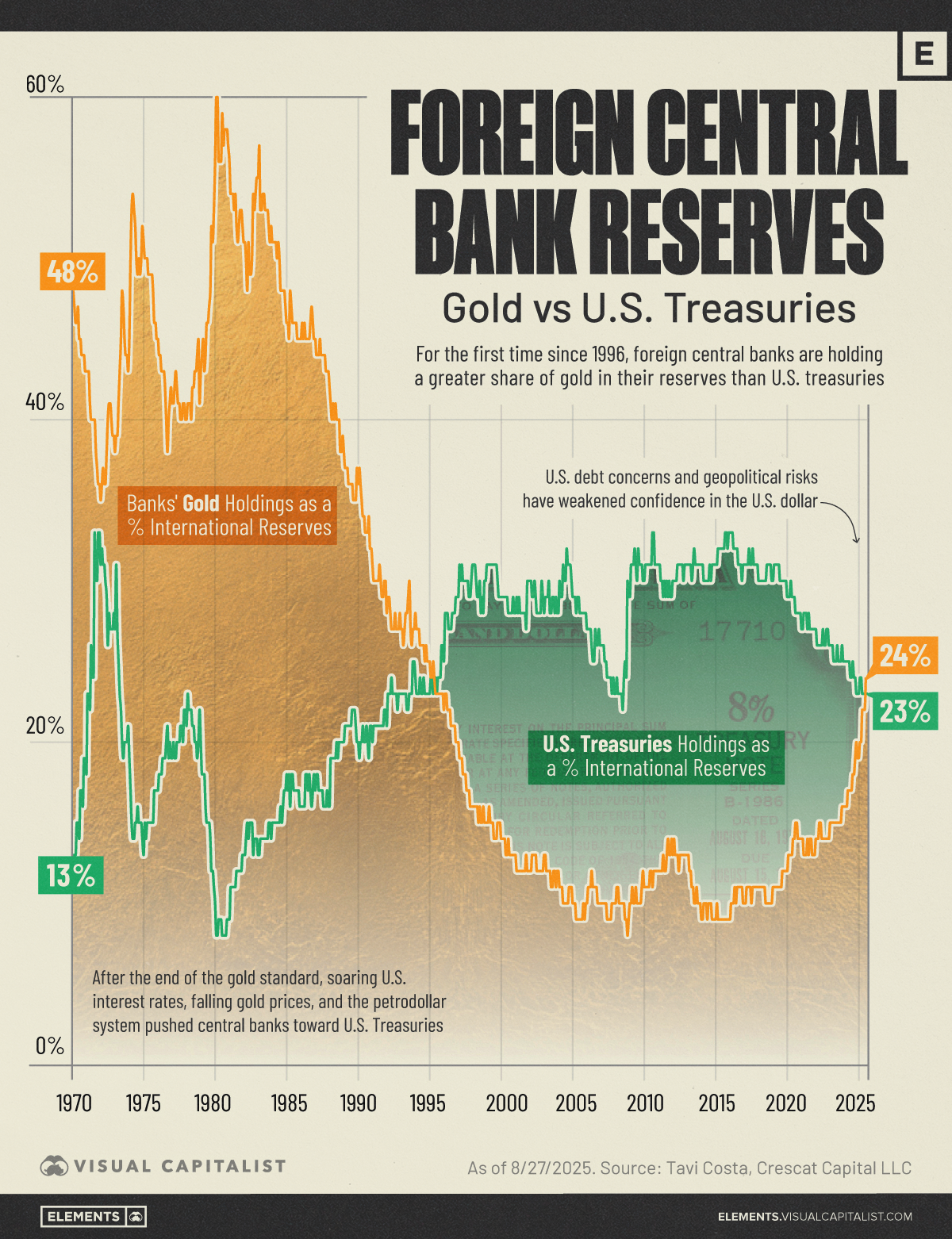
Gold’s performance in 2025 ranked among its strongest annual showings in modern history. The year saw gold reach record nominal levels, supported by central bank accumulation, currency uncertainty, and persistent inflation pressure.
Research from the World Gold Council continues to demonstrate gold’s ability to maintain purchasing power across monetary regimes. This became especially visible as consumer inflation eroded fiat currency strength.
For collectors, gold’s relevance lies in continuity rather than daily pricing. Design history, mint credibility, and purity standards remain central to why gold coins and bars have been trusted across generations.
Additional educational context from CoinsOnline:
Why Gold Remains Valuable
https://www.coinsonline.com/education/why-gold-remains-valuable-the-timeless-story-of-gold-as-currency/
Platinum and Palladium
Industrial Metals with Independent Behavior
Platinum and palladium often receive less attention than gold and silver, yet 2025 highlighted their importance within a balanced metals collection.
Platinum benefited from constrained global supply and steady industrial demand, particularly in automotive and emerging technologies. Palladium followed a different but equally instructive path, with pricing closely tied to catalytic converter demand and environmental regulation.
Energy transition and emissions standards tracked by the International Energy Agency illustrate why these metals respond directly to manufacturing cycles rather than monetary policy alone.
For collectors, platinum-group metals offer exposure to scarcity and real-world utility rather than tradition alone. Understanding their supply chains adds depth to a well-rounded collection.
Further reading:
Platinum and Palladium Rising
https://www.coinsonline.com/education/platinum-palladium-rising-investment-industrial-demand/
Inflation, Currency, and Purchasing Power


One of the most important comparisons in the 2025 data is the contrast between precious metals and the U.S. dollar. Data from the U.S. Bureau of Labor Statistics confirms that the dollar has lost the majority of its purchasing power since the early twentieth century.
Precious metals are not replacements for currency. Instead, they serve as durable counterparts. Physical gold and silver have historically maintained relative purchasing power through inflationary periods, monetary resets, and economic transitions.
For collectors, this distinction matters. Metals are collected for longevity, tangibility, and continuity—not for speculation.
Related reading:
Collecting Precious Metals in Today’s Currency Landscape
https://www.coinsonline.com/education/collecting-precious-metals-in-todays-currency-landscape/
Security, Education, and Collector Responsibility
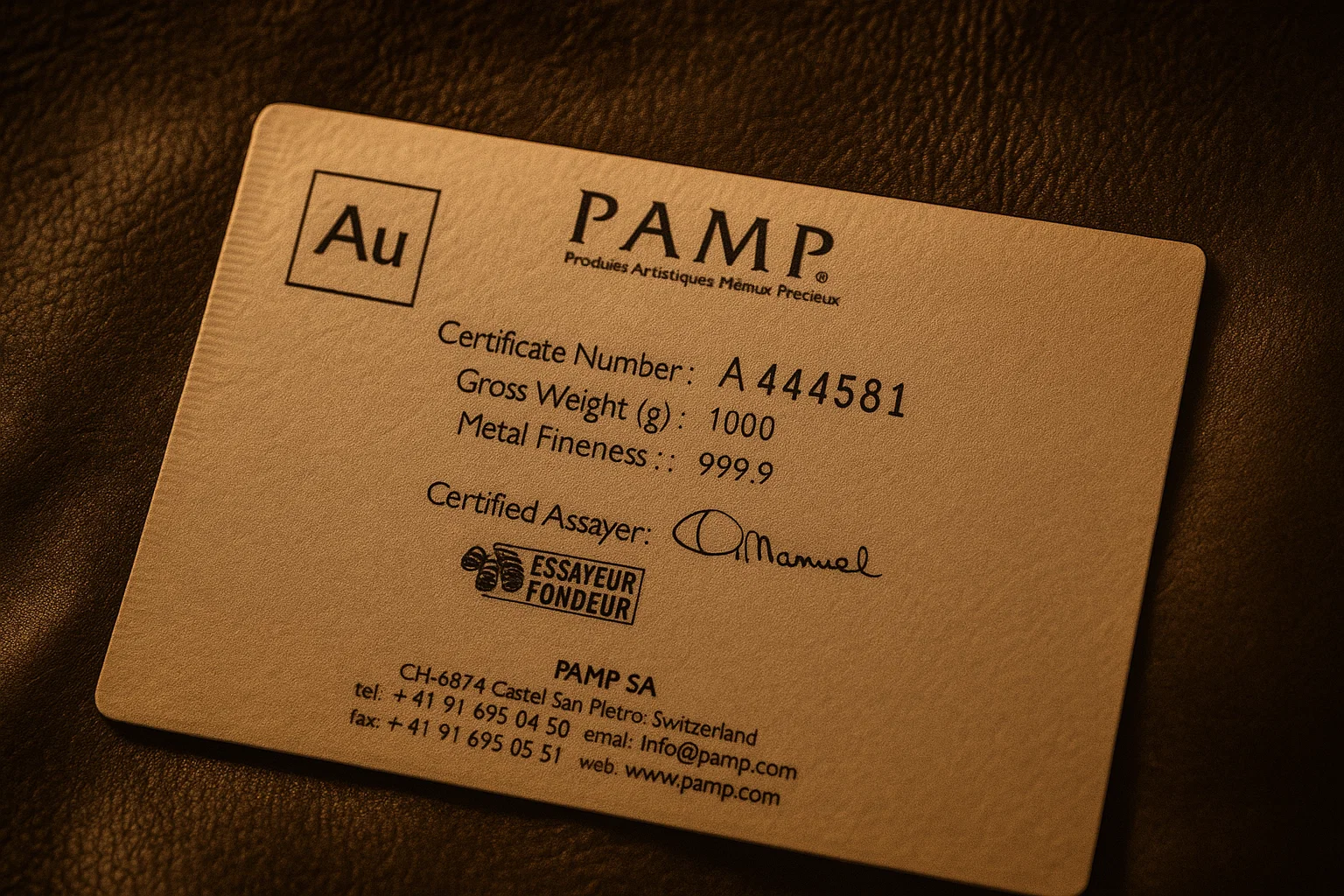
Beyond market behavior, 2025 underscored the importance of collector protection. Industry-wide efforts helped prevent significant losses tied to fraud, reinforcing the role of education, verification, and secure transactions.
For collectors, ownership should always be direct, documented, and verifiable. Understanding grading standards, assay certification, and secure purchasing practices is as important as understanding the metals themselves.
Essential educational resources:
-
Gold Scam Prevention and Metals Security
https://www.coinsonline.com/education/gold-scam-precious-metals-security/ -
Coin Grading and Authentication Guide
https://www.coinsonline.com/education/coin-grading-and-authentication-guide
Conclusion
Reading the Past to Collect with Confidence
The 2025 precious metals data tells a clear story when viewed through a collector lens. Gold reaffirmed its historical role, silver highlighted modern industrial scarcity, and platinum-group metals demonstrated the importance of understanding real-world demand.
This companion article is designed to add clarity to the 2025 Precious Metals Year in Review, supporting collectors who value education over noise. When guided by history, verified data, and responsible ownership, collectors can move forward with confidence that extends well beyond any single year.
For foundational learning, explore:
Beginner’s Guide to Precious Metals
https://www.coinsonline.com/downloadables/beginners-guide-to-precious-metals/
FAQ – Collector Questions
Why did silver stand out in 2025?
Silver experienced strong industrial demand alongside constrained physical supply, reinforcing its role as both a monetary and industrial metal.
Does gold still matter for long-term collectors?
Yes. Gold’s consistency across monetary systems continues to make it a foundational metal for collectors focused on preservation and legacy.
How are platinum and palladium different from gold and silver?
Their value is more closely tied to industrial use and supply chains rather than monetary policy, offering diversification within a collection.
Do precious metals protect against inflation?
Historically, physical metals have maintained purchasing power over long periods, though they are collected for durability rather than financial performance.
Why is physical ownership important?
Direct, verifiable ownership removes counterparty risk and ensures authenticity, which is essential for serious collectors.
0 comments